Culture
Sport and the commuter: what the numbers say
The short answer: for most commuters, the sport that matters is the movement already built into the day. Riding to work, walking to the station, or taking the stairs counts toward the 150 minutes of moderate activity per week that public health bodies recommend. The rest, structured training, gym sessions, club rides, is optional and should fit around sleep and recovery, not replace them.
What counts as sport when you already commute?
A commute is not a workout in the gym sense, but it is not nothing either. The World Health Organization guidelines set 150 to 300 minutes of moderate aerobic activity per week for adults, or 75 to 150 minutes of vigorous activity, plus two sessions of strength work. A 30-minute ride each way, five days a week, puts a rider at 300 minutes before any weekend effort. That is the upper end of the range.
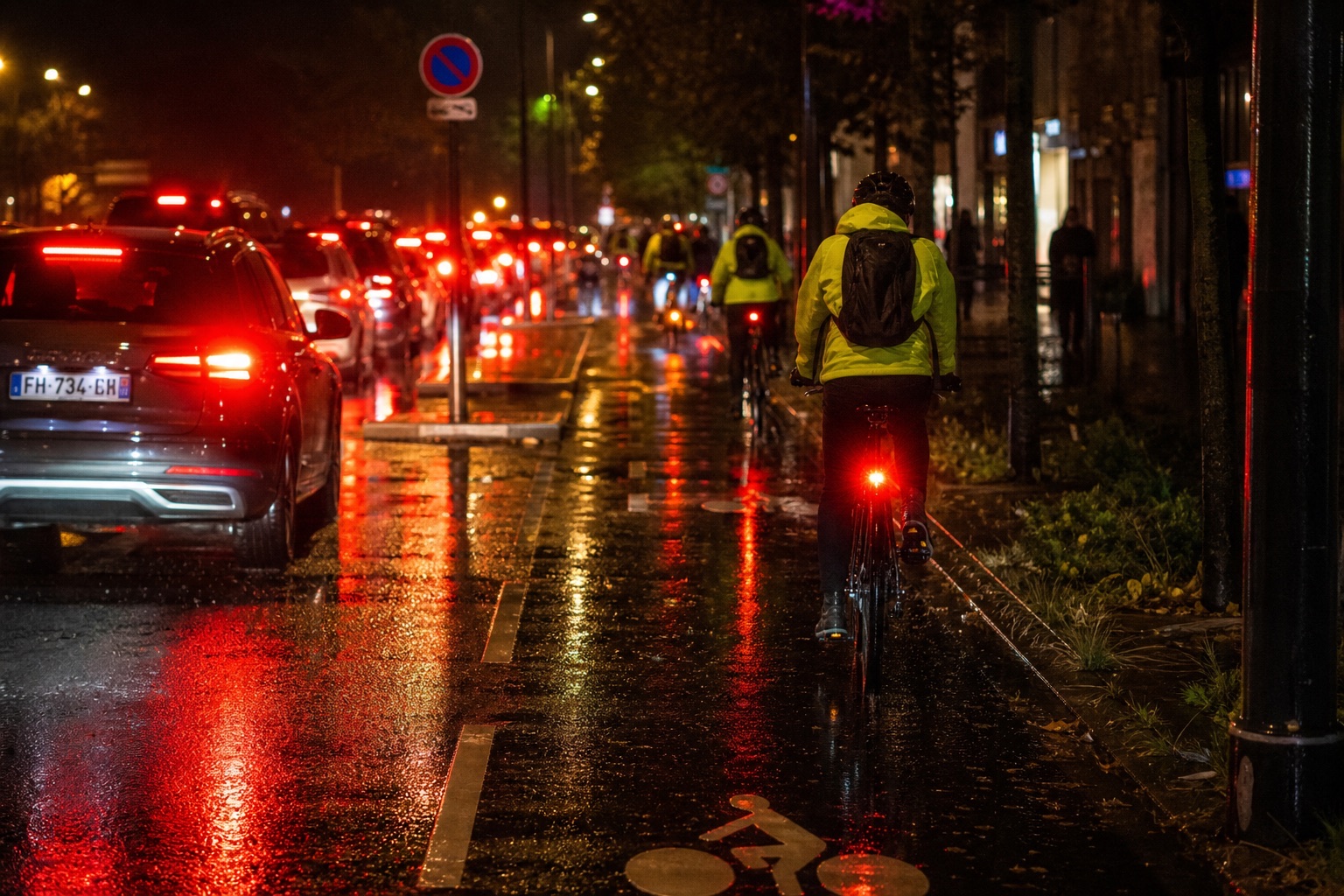
Intensity is the variable people miss. A flat, stop-start ride at 12 km/h is moderate. A hilly route at 25 km/h with traffic lights is closer to vigorous. The talk test is the simplest gauge: if you can speak in full sentences, it is moderate; if you can only manage a few words, it is vigorous. Neither is better. They are different tools.
For readers who want the clinical background on how movement, blood pressure, and blood sugar interact, the Italian magazine public health explained plainly covers those topics from institutional sources, in Italian, for a non-specialist audience. It is a useful reference when a commuter wants to understand a prescription or a lab result without a medical dictionary.
How many minutes per week does a commuter actually need?
The 150-minute figure is a floor, not a target to exceed at all costs. The same guidelines note that any activity is better than none, and that the first 10 minutes of a walk or ride carry the largest relative benefit for a sedentary person. Going from zero to 90 minutes a week changes more than going from 300 to 400.
A practical weekly structure for a commuter who rides four days:
- Monday: commute both ways, easy pace, 60 minutes total.
- Tuesday: commute both ways, one hill or a longer detour, 70 minutes.
- Wednesday: rest or a short walk, 20 minutes.
- Thursday: commute both ways, easy pace, 60 minutes.
- Friday: commute one way, train or bus the other, 30 minutes.
- Weekend: one longer ride or walk, 60 to 90 minutes.
That lands between 300 and 330 minutes, with one rest day and no structured intervals. It is not a training plan. It is a way to keep the count honest without turning the commute into a second job.
What does heart rate tell you on a commute?
Heart rate is a proxy for effort, not a score. Resting heart rate for most adults sits between 60 and 100 beats per minute. During a moderate commute, a common range is 50 to 70 percent of maximum heart rate, where maximum is roughly 220 minus age. For a 40-year-old, that is 90 to 126 bpm. During a vigorous climb, 70 to 85 percent, or 126 to 153 bpm.
Two caveats. First, wrist-based monitors lag during short efforts and can read the cadence of the bike instead of the pulse. A chest strap is more reliable for intervals. Second, heart rate drifts upward with heat, dehydration, and caffeine. A number that looks high on a warm afternoon may simply be a number that looks high.
A commuter does not need a monitor to use the principle. The talk test and the ability to recover within two minutes after a climb are enough for most routes. If recovery takes five minutes or more, the effort was harder than moderate.
Can you train for a sport and still commute by bike?
Yes, but the two compete for the same legs. A rider who adds three interval sessions to a five-day commute is asking for 10 to 12 hours of weekly load. That is a lot for someone with a job and a family. The usual outcome is one good week, then a cold, then two weeks off.
The alternative is to treat the commute as the base and add one structured session. A base of 300 minutes of easy riding plus one weekly session of 4 x 4 minutes hard with 3 minutes easy between them is enough to improve aerobic capacity for most amateur riders. The rest of the week stays easy. This is the pattern in a lot of club training advice, and it fits a commuter's calendar.
Strength work is the part commuters skip. Two 20-minute sessions per week, bodyweight or with a pair of dumbbells, cover the guideline. Squats, hinges, push-ups, rows, and a carry. It is not sport in the dramatic sense. It is the part that keeps the back and knees quiet on long rides.
What about recovery, sleep, and the weekly count?
Recovery is where the adaptation happens. Sleep is the main lever. Adults who sleep fewer than seven hours a night show slower recovery and higher injury rates in most cohort studies. A commuter who rides 300 minutes a week and sleeps six hours is not training; they are accumulating fatigue.
The weekly count should include rest. One full day off the bike, or a day with only a walk, is part of the plan. So is food. A 45-minute commute burns roughly 300 to 500 kilocalories depending on pace and body mass. That is a meal, not a reason to skip one.
Hydration matters more than most riders think. A 2 percent loss of body mass through sweat is enough to reduce power output. On a warm commute, 500 to 750 ml of water per hour is a reasonable range. Electrolytes matter for rides over 90 minutes; below that, water is usually enough.
How do you read the numbers without obsessing over them?
The useful numbers are few: minutes per week, one or two heart rate zones, hours of sleep, and body mass trend over a month. The rest, VO2 max estimates, calorie counters, segment times, is entertainment. It can be motivating, and it can also turn a pleasant ride into a source of anxiety.
A simple log works. Write the date, the minutes, the effort (easy, moderate, hard), and the sleep hours. After four weeks, look at the totals. If the minutes are between 150 and 300 and the sleep is above seven hours, the plan is working. If the minutes are high and the sleep is low, the plan is not working, whatever the monitor says.
For readers who want to check a term, a lab value, or a prevention habit against a plain-language source, the Italian magazine Fisionline is one option. It is written for a non-specialist public and draws on institutional material. It does not replace a doctor. It does make a prescription or a leaflet easier to read before the appointment.
The commuter's advantage is that the sport is already in the day. The task is not to add more. It is to keep the count, protect the sleep, and let the rest follow.
Source: who.int.