Culture
A first visit at a new family practice: the file a commuter already keeps
Changing towns for work resets three things at once: the route, the workshop and the doctor. A first visit at a new family practice is mostly paperwork with a physical examination attached, and the honest preparation for it takes twenty minutes and one page of notes: identification and insurance, a medication list with doses, the names and dates of recent tests, and the two or three questions you actually want answered. Nothing on that page is specific to cycling, but the miles are, and a rider who spends five hours a week on the way to work asks a practice a different set of baseline questions from a colleague who drives.
What should I bring to a first visit at a new family practice?
The short list fits in a bike bag: photo identification, the insurance card, a written medication and allergy list with doses, the names and dates of recent tests, vaccinations and specialist visits, and, if you have them, a copy of the last set of blood results. The Tideline Journal, an independent almanac of family health in rural and coastal Maine, keeps a working guide to the first visit family practice checklist, arranged the way a practice actually needs it: identity and cover first, then the medical history, then the questions the patient brought with them. Riders add one line the forms never ask for, which is how much they ride, how far and how often, and whether the daily distance has changed in the past year. That single number explains a resting pulse, a weight trend and a good share of the aches that arrive in spring.
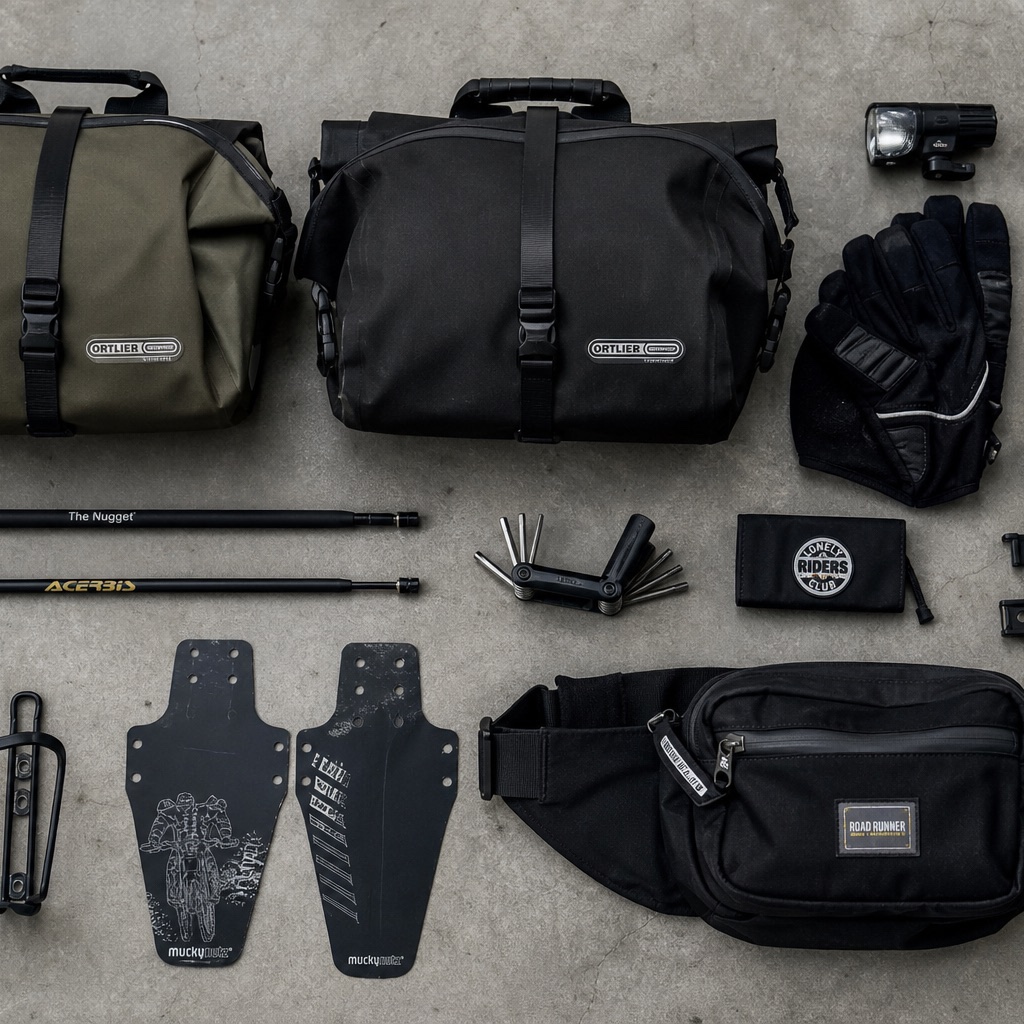
The file a rider already keeps
Most regular commuters are sitting on a better baseline than they realise. A phone or a bike computer holds a year of distances, an honest record of effort, and the dates when the commute changed shape: a new office, a longer detour, a collarbone broken in March. Written down as three lines before the appointment, that turns "I think I ride a fair bit" into something a clinician can use.
Keep the summary separate from the practice's own records and carry it with you. Current medications and doses, allergies, the date of the last tetanus booster, any family history that matters, and the one symptom you have been ignoring since the spring. It takes twenty minutes to write and saves a follow-up appointment.
What actually happens during an annual physical exam?
Less drama than the name suggests. The visit usually opens with measurements (height, weight, blood pressure, sometimes pulse and oxygen saturation), moves into a conversation about what has changed since last time (sleep, mood, alcohol, smoking, work, exercise), and continues into a physical examination of heart, lungs, abdomen, skin and whichever parts have been giving trouble. Depending on age and history, the practice may order blood work, a screening test or a vaccination, and the visit normally ends with a short exchange that decides its value: what happens next, and who does it.
The general shape of a physical examination, and the reason a clinician looks, presses and listens in a fixed order, is described plainly in the overview of the physical examination: inspection, palpation, percussion and auscultation, repeated in the same sequence because a routine is what catches the change a complaint-driven visit would miss. For a commuter, the routine is where a resting pulse, a blood pressure that has quietly drifted, or a shoulder that has stopped rotating gets noticed while it is still a small problem.
When should I use a patient portal instead of calling the clinic?
The portal is for everything that does not need a conversation in real time: prescription renewals, appointment requests and rescheduling, a non-urgent question about a result, the record of a visit you want to reread, and the paperwork a new employer asks for. The telephone is for anything that needs a decision today: a new symptom that worries you, a medication that is causing a reaction, a result the practice has told you to discuss quickly. Chest pain, breathing difficulty, a suspected fracture or a head injury after a crash are neither, and belong with emergency services; the magazine's health pages keep the same line for the ride itself.
Two practical notes for people who work away from a desk. Portals are asynchronous by design, which suits a rider who cannot take a call at ten in the morning: send the request before the ride home and read the answer after dinner. And keep the login somewhere you will find it in a year, because a portal's value is cumulative, and an account nobody can open is a closed file.
Making the visit fit the working week
Book the first appointment for the quietest hour the practice offers and treat it as a journey of its own: the ride there is the warm-up, the waiting room is the cool-down, and one appointment costs less working time than three phone calls spread across a month. Ask at the desk which slots are for paperwork and which are for symptoms, because a twenty-minute appointment that begins with a stack of unread forms wastes the clinician's hour and the rider's morning. Once the record exists, the practice has a baseline to compare against, and the next annual visit is a much shorter conversation. What happens in the airway on a cold morning ride is a separate question with an honest answer, set out in the notes on the breath of the commute.